Beginner’s Guide to Planning a Botswana Safari Trip
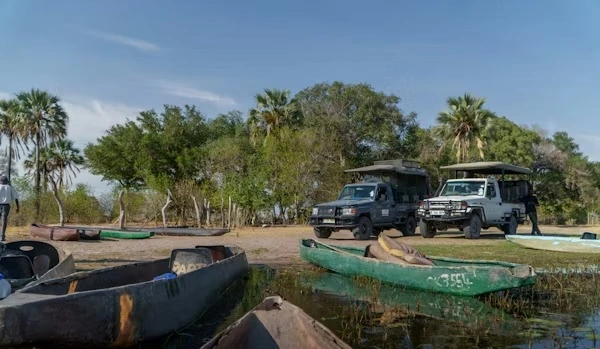
Planning your first safari to Botswana can feel overwhelming, but it doesn’t have to be. This Southern African gem offers some of the continent’s most pristine wilderness areas and incredible wildlife viewing opportunities. Whether you’re dreaming of watching elephants cross the Chobe River or exploring the vast Okavango Delta by mokoro canoe, proper planning will ensure your adventure becomes the trip of a lifetime.
When to Visit Botswana for Your Safari
Timing your safari correctly makes all the difference in your experience. The dry season from May to October is considered peak safari season, offering excellent wildlife viewing as animals congregate around permanent water sources. During these months, you’ll enjoy clear skies, comfortable temperatures, and easier game spotting in the thinned-out vegetation.
The wet season from November to April brings dramatic afternoon thunderstorms and transforms the landscape into a lush paradise. While some camps close during this period, you’ll benefit from lower prices, fewer tourists, and spectacular birdwatching opportunities. The shoulder months of April, May, and November often provide the best balance between weather, wildlife activity, and value.
Choosing Your Safari Destinations
Botswana’s diverse ecosystems each offer unique experiences worth considering. The Okavango Delta, a UNESCO World Heritage Site, is the country’s crown jewel where water floods the Kalahari Desert annually, creating a wetland wonderland teeming with wildlife. This is where you’ll find some of the best Botswana safaris, combining water-based activities with traditional game drives.
Chobe National Park boasts the highest concentration of elephants in Africa, with herds numbering in the thousands. The park’s riverfront area provides spectacular viewing, especially during the dry season. Meanwhile, the remote Moremi Game Reserve offers exceptional predator sightings, including lions, leopards, and African wild dogs.
Don’t overlook the Makgadikgadi Pans, where vast salt flats create an otherworldly landscape, or the Central Kalahari Game Reserve for a true wilderness experience far from other tourists.
Understanding Safari Accommodation Options
Botswana takes a low-volume, high-value approach to tourism, which means accommodation tends toward the luxurious side. Permanent lodges offer comfortable rooms, excellent cuisine, and experienced guides who know the area intimately. These camps typically include all meals, activities, and park fees in their rates.
Mobile camping safaris provide a more adventurous experience, with comfortable tents set up in private concessions. You’ll move between camps every few days, covering more ground and experiencing different ecosystems. For budget-conscious travelers, public campsites exist in national parks, though you’ll need to be completely self-sufficient.
Consider booking a combination of accommodation types to diversify your experience while managing costs effectively.
Budgeting for Your Botswana Safari
Botswana isn’t a budget destination, but understanding costs helps you plan accordingly. Expect to pay between $400 and $1,500 per person per night for all-inclusive safari packages, depending on the season and camp level. This typically covers accommodation, meals, activities, park fees, and internal transfers.
International flights to Maun or Kasane will be your largest single expense, followed by internal flights between safari camps. Many lodges are only accessible by small aircraft, adding to the overall cost but providing spectacular aerial views of the delta and wildlife below.
Set aside additional funds for visa fees if required, travel insurance, gratuities for guides and camp staff, and any optional activities not included in your package.
You can also read: Desert Safari in Dubai
Preparing for Your Safari Adventure
Physical preparation matters less than mental readiness for early mornings and long game drives. Pack lightweight, neutral-colored clothing in layers, as temperatures vary significantly between dawn drives and midday. Don’t forget a wide-brimmed hat, quality sunscreen, insect repellent, and binoculars for optimal wildlife viewing.
Consult your doctor about necessary vaccinations and malaria prophylaxis at least six weeks before departure. While Botswana is relatively safe health-wise, prevention is always better than treatment in remote areas.
Invest in a good camera with a zoom lens to capture those unforgettable wildlife moments, but remember to also spend time simply observing and absorbing the experience without a viewfinder.
Making Your Safari Dreams Reality
Planning a Botswana safari requires research, flexibility, and realistic expectations about costs. Start planning at least six to twelve months in advance, especially if you’re traveling during peak season when the best camps book out quickly. Working with a reputable safari specialist can simplify the process and ensure you’re getting good value for your investment.
Your first Botswana safari will likely not be your last. The country’s commitment to conservation, low tourist numbers, and extraordinary wildlife create an experience that stays with you long after you return home.

All Categories
- Abra Dubai
- Abu Dhabi City Tour
- Adventure
- Adventure in Desert Safari
- Ain Dubai
- Al Ain
- Al Fahidi Historical Neighborhood
- Al Faya Desert
- Al Qudra Desert
- Al Qudra Lake
- Atlantis Dubai
- Atlantis The Royal
- Attractions and Hidden Places
- Beaches in Dubai
- Belly Dance In Desert Safari
- Bidayer Desert
- Burj Al Arab
- Burj Khalifa
- Camel Rides
- Camel Riding in Dubai
- Canary Club Dubai
- Deep Dive Dubai
- Deira Dubai
- Desert Safari
- Desert Safari Dubai
- Dhow Cruise Dubai
- Dolphin Show Dubai
- Downtown Dubai
- Dragon Mart
- Drift Beach Dubai
- Dubai
- Dubai Aquarium
- Dubai City Tour
- Dubai Creek Park
- Dubai Crocodile Park
- Dubai Fountain
- Dubai Frame
- Dubai Garden Glow
- Dubai International Airport
- Dubai Mall
- Dubai Marina Mall
- Dubai Marina Walk
- Dubai Parks And Resorts
- Dubai Safari Park
- Dubai Shopping Festival
- Dubai Skyline
- Dubai Water Canal
- Dune Buggy Dubai
- Eid ul Adha
- Eid-al-Fitr in Dubai
- Evening Desert Safari
- Expo 2020 Dubai
- Fun in Desert Safari
- Global Village Dubai
- Gold Souk Dubai
- Green Planet Dubai
- Hatta Dam
- Ibn Battuta Mall
- IMG World Dubai
- Jebel Jais
- Jet Ski Dubai
- Jumeirah Mosque
- Khor Fakkan
- Khorfakkan Waterfall
- Kite Beach Dubai
- La Mer Dubai
- Lahbab Desert
- Largest Mall in The World
- Life Style
- Love Lake Dubai
- Madame Tussauds Dubai
- Mall of the Emirates
- morning desert Safari Dubai
- Motiongate Dubai
- Museum Of The Future
- New Year's Eve
- Old Dubai
- OliOli Museum
- Overnight Desert Safari Dubai
- Palm Jumeirah
- Places to Visit in Ajman
- Places To Visit In Sharjah
- Quad Bike in Dubai
- Ras Al Khaimah
- Rashid Hospital Dubai
- Restaurants in Dubai
- Riverland Dubai
- Salt Bae Dubai
- Sharjah Aquarium
- Solo Travelers on a Desert Safari
- Sun During The Desert Safari Dubai
- Temperature in Dubai
- Theme Parks
- Things to do in Abu Dhabi
- Umm Suqeim Beach
- Uncategorized
- VR Park Dubai Mall
- World Trade Center Dubai
- Yacht Rental Dubai
- Zabeel Park Dubai
Recent Posts
What Makes a Desert Safari in the UAE Truly Worth It
Global Village Dubai – Complete Travel Guide